
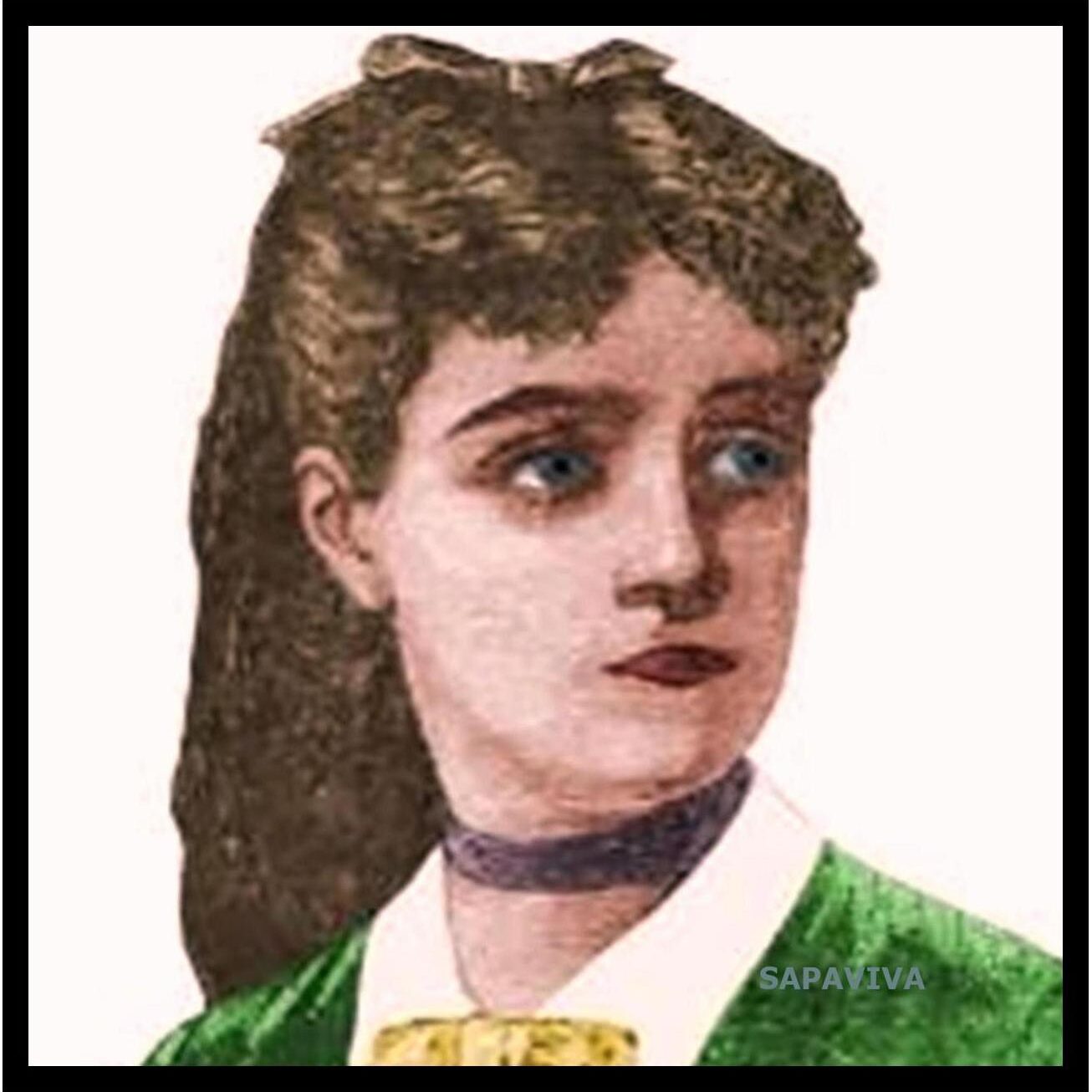
(April 1, 1776 – June 27 1831)
Just like Laura Bassi before, Sophie Germain’s birth into a wealthy family facilitated her quest for tertiary education at a time when such ventures received minimal support. Although her gender-related social handicap did not completely evaporate, Germain fared a lot better than the black women who endured even more difficult gender-race biases a century-and-half later. Miss Germain was also fortunate in the sense that she successfully disguised herself without notice, while corresponding (as a male named Monsieur LeBlanc) with great scholars, which included Gauss. Like Bassi before her, Germain’s abilities surpassed those of some more notable names of her era. Even Gauss (who did not realized that he was corresponding with a female) found her letters impressionable, and was impressed by the progress which the young woman was making. Regardless of her modest formal training, “Monsieur LeBlanc’s” works were receiving positive feedbacks. The great Joseph Lagrange was shocked when he later realized that “Monsieur LeBlanc” was actually female. So, apart from producing fantastic works, her capabilities helped convince skeptics that women were just as capable as men. Sophie Germain’s works centered mostly on Arithmetic, Algebra, Analysis, Astronomy and Mechanics. They were so good that the scope of her admirers expanded: Pierre-Simon Laplace, Adrien-Marie Legendre, Jean-Baptiste Joseph Fourier, Denis Simeon Poisson and the mathematical physicist, Ernst Chladni, joining the bandwagon. Some of Sophie Germain’s monographs treated physical topics like oscillations and elasticity. These brought her recognitions from the French Academy of Sciences in Paris. But her life was cut short by breast cancer at 35. Unfinished essays were found at her home.
All rights reserved. © Valentine Oduenyi