
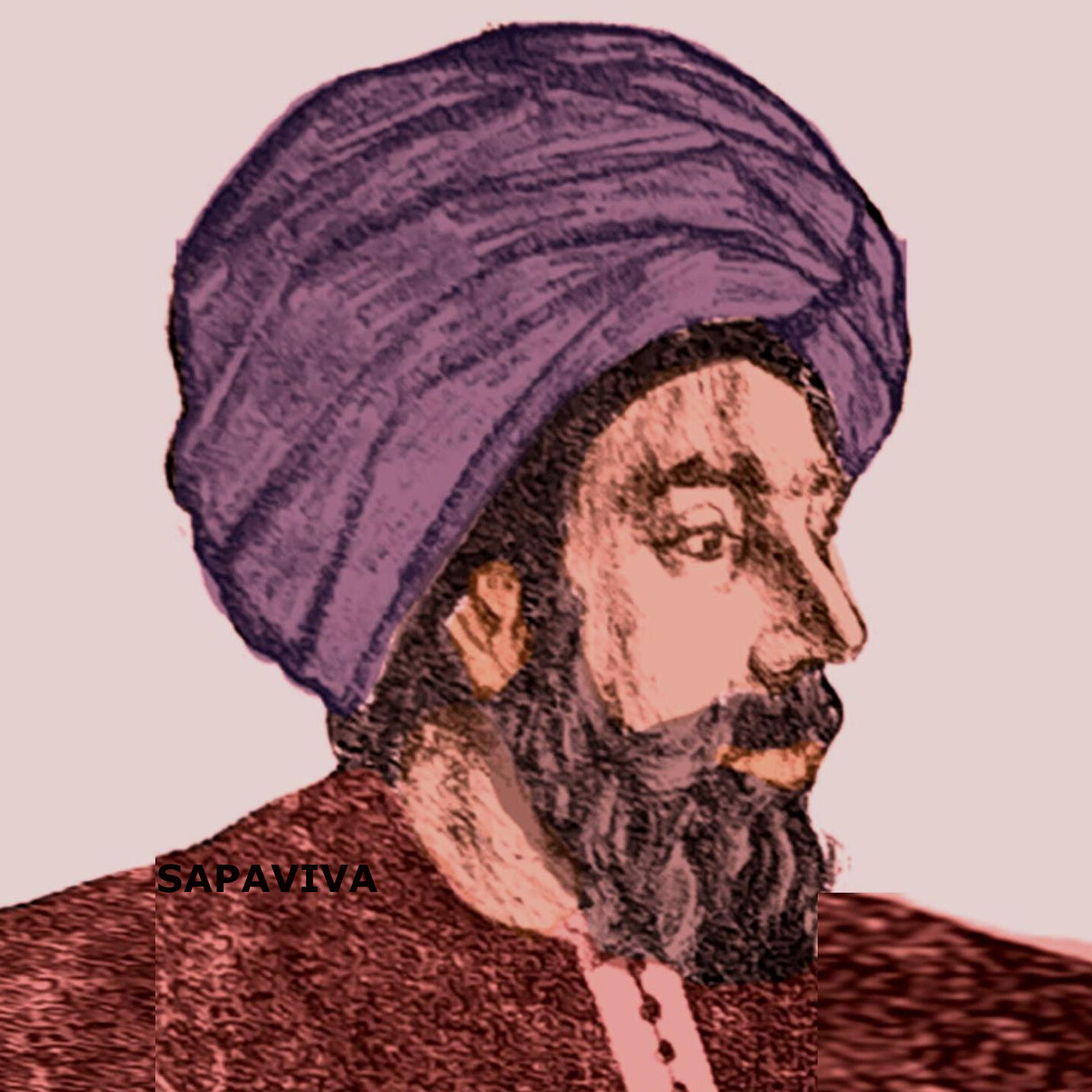
(1094 – 1162)
Known to the medieval Europeans as Avenzoar, Abu-Marwan Ibn-Zuhr was among the foremost clinicians of the Islamic Golden Age. Six generations of his family dominated medieval medicine well-over half-a-millennium before the Bernoulli family dominated European mathematics. Having apprenticed under his father (Abu’l-Ala Zuhr), who exposed him to the techniques of Hippocrates and Galen, Ibn-Zuhr wasted no time in perfecting all he learnt. He was particularly keen on mastering surgical techniques; and preferred ungulates as specimens. From diagnoses to therapeutics, as well as from incisions to recovery-remedies, he soon became proficient in all he did. He would pioneer works in neurology, nephrology, dermatology, pharmacology, toxicology, obstetrics and dietetics. His fame quickly spread, and many came to regard him as the leading practitioner of the emirate. This saw him being appointed court physician to the Emir. With the support of the royal court, he embarked on improving surgical tools, in addition to synthesizing medications. He would later publish his experiments and inferences as instructive pamphlets. The most notable of these were titled: Fi Illat al-Kila (A Nephrology Manual), Fi Illat al-Baras wa al-Bahaq (A Manual of Leprosy, Vitiligo and skin diseases), Al-Tiryaq al-Sabini (Compendium of Toxicology and Antidotes), Kitab al-Aghdhiya (The Book of Nutrition) and Al-Tasrif (a Descriptive Guide which detailed instructions regarding medical practices). Meanwhile, his most comprehensive publications, such as Al-Taysīr fil-Mudāwāt wal-Tadbīr (i.e. A Simplified Guide for Therapeutics and Diet) became bestsellers. They were translated into Latin, Hebrew, and other languages; and remained in vogue long after his death.
All rights reserved. © Valentine Oduenyi
Happy to see this forgotten hero being honored. Well-done.
Very good
Thanks from a big fan of your blog!
Great post. Thank you.
New to me but a good eye-opener!
This is my revisit, and I am enjoying it a great deal.
Loved what I’ve read about him.
Tops!
Utmost respect!
Utmost respect indeed!
🙂
Great review!
Precisely!
I’ll be subscribing to your feeds.
Good
Great WordPress blog here.. It’s hard to find quality writings these days.
i bet
Wonderful web site! … I’ll certainly come back again.
Salute!
Hi there! I loved that you included all-time greats from allover the world.
Hey, really cool.
What can I say… Great job!
Great site! I am loving it!
Just to say thanks for this great read!
Thanks for all the great posts on this site.
I couldn’t have written it better.
Really really good
💞 Fantastic website 💞
knowledge vineyard
Medical practice is our pride and joy.
nice design with fantastic contents
I scored it A+
Quality at all levels. Well done.
He was forward thinking.
Legacies are good measures
Redefining interoperability in the Middle Ages
great contribution
His publications were lasting monuments
A guide from the master
Rings a bell
Wonderful
Wow, clearly understood.
His Royal Awesomeness 😀