
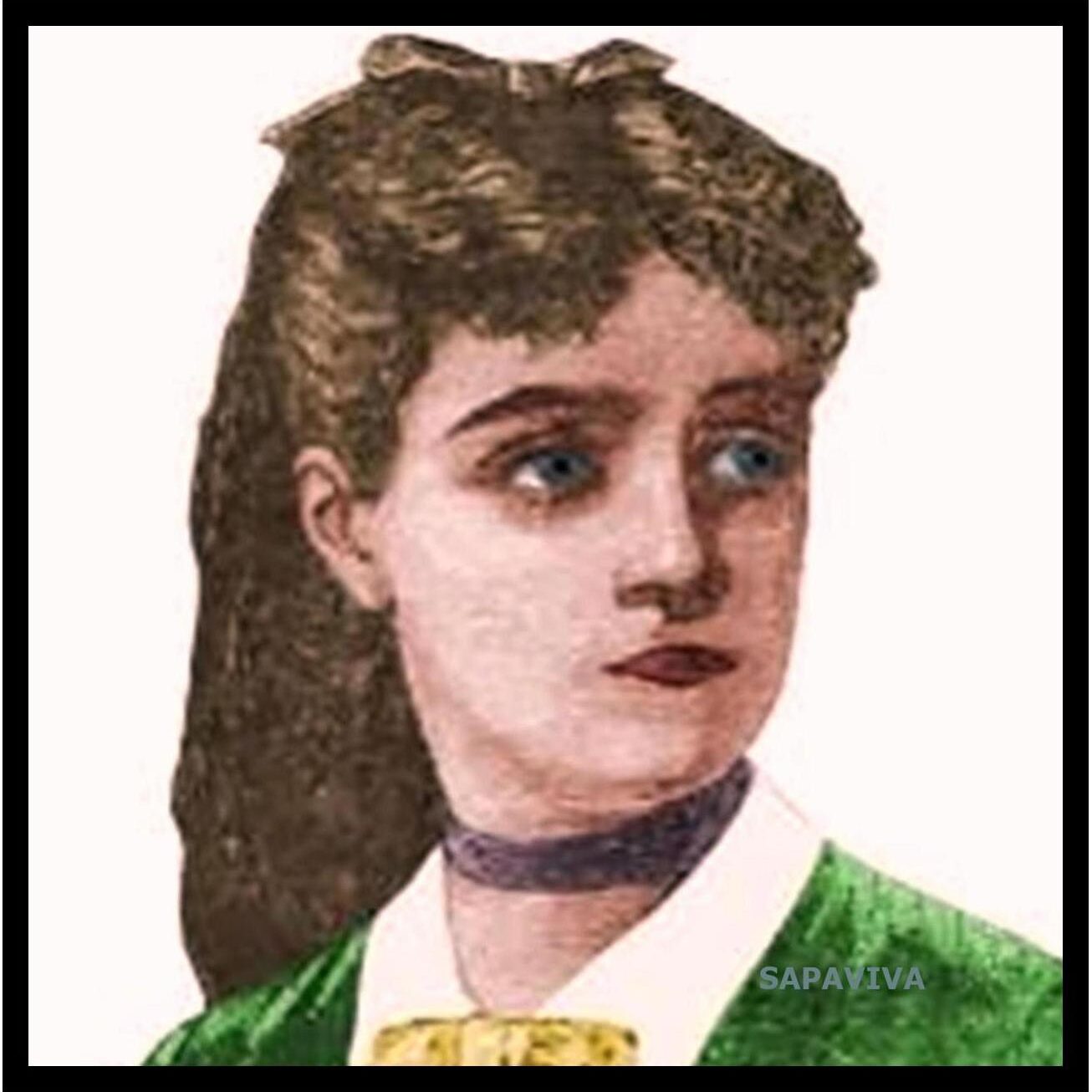
(April 1, 1776 – June 27 1831)
Just like Laura Bassi’s before her, Sophie Germain’s birth into a wealthy family facilitated her quest for tertiary education (at a time when such ventures received minimal support). Although her socio-gender handicap did not completely evaporate, Germain fared a lot better than the black women who endured even more difficult gender-race biases a century-and-half later. Miss Germain was also fortunate in the sense that she successfully disguised herself without notice, while corresponding (as a male named Monsieur LeBlanc) with great scholars, which included Gauss. Like Bassi before her, Germain’s abilities surpassed those of some more famous males of her generation. Even Gauss (who did not realized that he was corresponding with a female) found her letters impressionable, and was impressed by the progress which the dame was making. Regardless of her modest formal training, “Monsieur LeBlanc’s” works were receiving positive feedbacks. The great Joseph Lagrange was shocked when he later realized that “Monsieur LeBlanc” was actually female. So, apart from producing fantastic works, her capabilities helped convince skeptics that women were just as capable as men. Sophie Germain’s works, which centered on Arithmetic, Algebra, Analysis, Astronomy and Mechanics, were so good that the scope of her admirers expanded: Laplace, Legendre, Fourier, Poisson and the mathematical physicist, Ernst Chladni, boarded her bandwagon. Some of Germain’s monographs treated physical topics like oscillations and elasticity. They brought her recognition from France’s Science Academy. But her life was cut short by breast cancer: aged 35 years. Unfinished manuscripts were found at her home.
All rights reserved. © Valentine Oduenyi